Electrical Fire Risks from Damaged Wiring and Overloaded Circuits
Electrical fires are a leading cause of home and workplace fires, and they often start with two common problems: damaged wiring and overloaded circuits. Understanding how these hazards develop and what signs to watch for can help you prevent a dangerous situation before it escalates.
When wiring becomes damaged, the protective insulation around the copper conductors can crack, fray, or wear away. This exposes live wires that can arc against nearby metal or other conductors, creating intense heat. An arc fault can easily ignite wood framing, drywall, or other building materials. Overloaded circuits occur when too many devices draw power from a single circuit, causing the wiring to heat beyond its rated capacity. Over time, this overheats the insulation and leads to melting or burning.
Both conditions share common warning signs: a persistent burning smell near an outlet or switch, a visible electrical spark when plugging something in, or a breaker that trips frequently. If you notice any of these, the wiring may already be compromised. Even a small arc inside a wall can start a fire before a smoke detector reacts. That is why hazardous wiring repair should be handled promptly and by a qualified electrician who can inspect the entire circuit, replace damaged sections, and ensure the system is properly protected.
How damaged wiring leads to fire
Wiring can be damaged in several ways. Rodents sometimes chew through insulation, leaving bare wires exposed. Old wiring becomes brittle with age, and the insulation can crack under vibration or temperature changes. Physical damage from nails, screws, or furniture can also break the insulation. Once the copper is exposed, it can arc to any grounded metal nearby. An arc fault generates temperatures high enough to melt steel, so it will quickly ignite anything flammable.
Another risk is a loose connection at an outlet, switch, or breaker. A loose wire creates resistance, and resistance creates heat. That heat can melt the insulation and eventually cause an arc or fire. Loose connections are especially dangerous because they may not trip a breaker or blow a fuse. The circuit continues to carry current, but the heat builds up silently.

Overloaded circuits and overheating
An overloaded circuit happens when the total current draw exceeds the circuit's ampacity. For example, running a space heater, microwave, and vacuum cleaner on the same 15-amp circuit may push it past its limit. The breaker should trip if everything is working correctly, but breakers can fail or be bypassed. Over time, repeated tripping can weaken the breaker, making it less likely to trip when needed.
Even if the breaker holds, an overloaded circuit causes the wires to heat up. This heat accelerates insulation breakdown, especially in older wiring. The insulation becomes brittle and cracks, which then leads to the damaged-wiring scenario described above. In modern homes, arc-fault circuit interrupters (AFCIs) are designed to detect arcing and shut off power before a fire starts. But many older homes lack AFCIs, and even in newer homes, the protection is only as good as the installation.
Signs that demand attention
If you notice any of the following, do not ignore them:
- A burning, hot, or acrid smell near an outlet, switch, or appliance.
- Visible sparks when plugging or unplugging a device.
- Outlets or switches that feel warm to the touch.
- Frequent tripping of breakers or blowing of fuses.
- Flickering lights when a major appliance is turned on.
These signs indicate that the wiring or circuit is under stress. The smell of burning plastic or metal is a strong indicator that insulation is melting or arcing is occurring. Do not try to diagnose the problem by repeatedly resetting a breaker or plugging in a different device. That can make the situation worse.
What hazardous wiring repair involves
Hazardous wiring repair is not a DIY job. It requires a licensed electrician who can isolate the affected circuit, test for faults, and replace or repair the damaged wiring. The electrician will also check the breaker panel for signs of overheating, corrosion, or loose connections. In some cases, the repair may involve running new wire from the panel to the outlets, installing a dedicated circuit for a high-load appliance, or adding an AFCI breaker for extra protection.
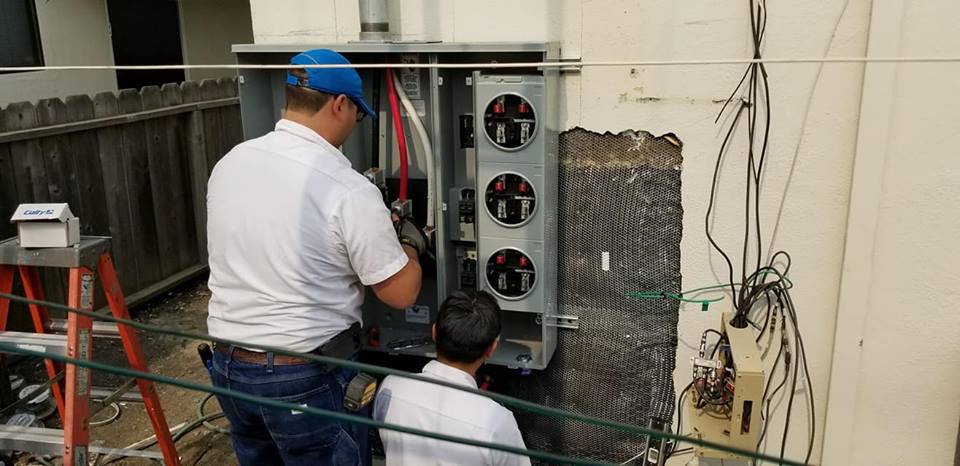
Wooding Electric, a residential and commercial electrical service provider in San Jose and the surrounding Bay Area, handles these kinds of troubleshooting and wiring improvements regularly. A qualified electrician will also inspect for any other hidden issues, such as damaged insulation in the walls or improper splices that could create future hazards.
Prevention through awareness
Preventing electrical fires starts with using your home's electrical system wisely. Avoid plugging too many devices into one outlet or power strip. Spread heavy loads across multiple circuits. Replace any cord that shows signs of wear, such as fraying or cracking, and never run cords under rugs or furniture where they can overheat unnoticed. Install smoke detectors in every level of your home, and test them monthly. If you have an older home, consider having an electrician perform a full wiring inspection to identify any sections that are deteriorated or undersized.
Another smart step is to use AFCIs where they are not already required. Many local building codes now mandate them in new construction, but retrofitting them in an older panel can add a layer of safety. An electrician can advise whether your panel supports AFCI breakers and how the installation would proceed.
If you ever smell something burning that seems to come from an outlet or switch, act immediately: turn off the power to that area at the breaker if it is safe to do so, and call emergency services if the smell is strong or you see smoke. Do not wait to see if the smell goes away. A small spark inside a wall can develop into a full fire in seconds.

Wooding Electric serves both residential and commercial clients in the Bay Area, offering electrical troubleshooting and wiring repairs. Their electricians are experienced in identifying and correcting hazardous wiring conditions before they lead to a fire. While this article provides general information, every situation is unique, and a professional on-site evaluation is the best way to ensure your home or business is safe.
Understanding the risks of damaged wiring and overloaded circuits is the first step toward preventing a fire. The second step is acting on the warning signs and calling a qualified electrician for hazardous wiring repair when needed. Your safety depends on the condition of the electrical system you use every day. Taking it seriously can save more than property - it can save lives.